

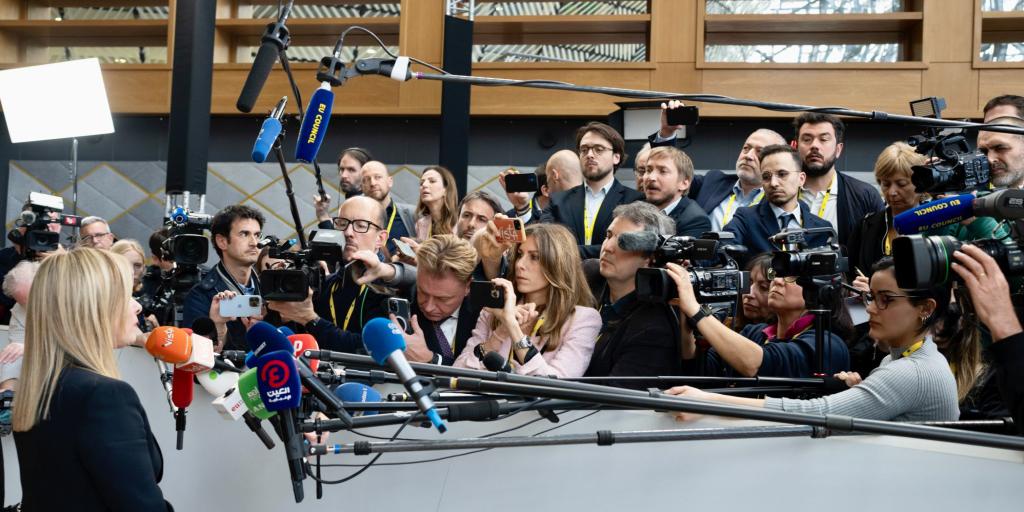
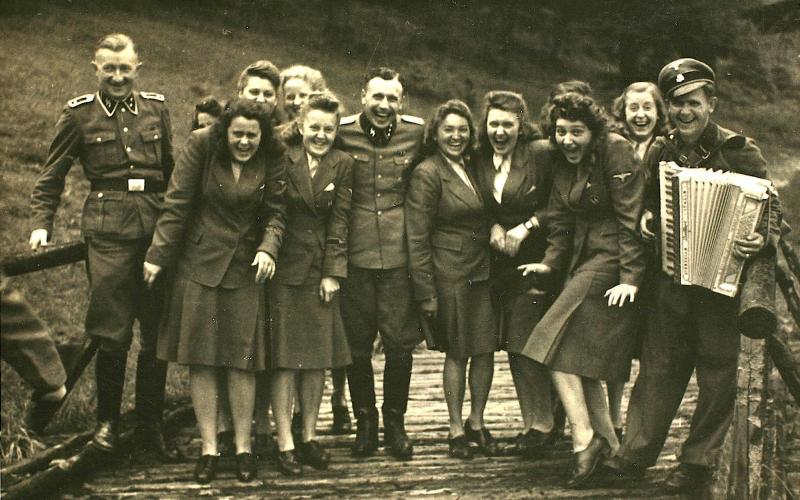
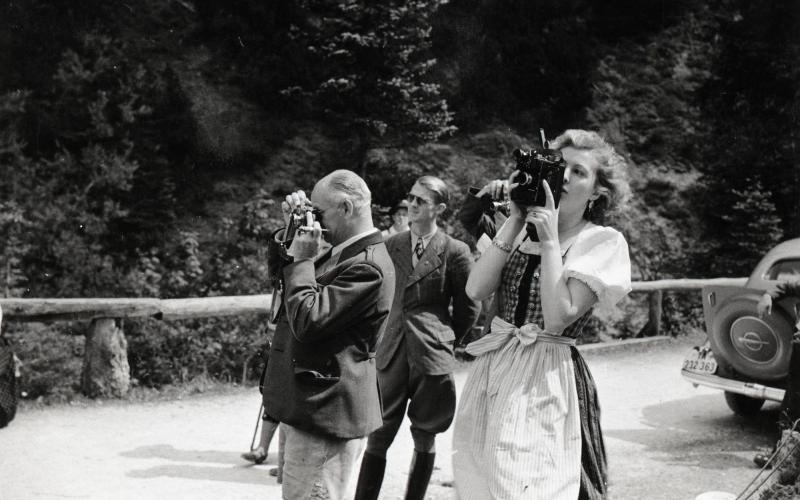
Since the 20th century, fascist movements have been formed and (further) developed in various countries – from Germany to India. What they all share includes a pronounced cult of personality, an authoritarian leadership and extreme nationalism. For a long time, the right-wing spectrum was considered a purely male domain. In historiography, women were therefore given a passive role in fascist and nationalist movements. As a result, after the Second World War many female perpetrators could fall back on traditional concepts of womanhood and were usually spared long prison sentences. In the right-wing populist movements and parties that have emerged in the last decades and years across different countries, women today play an increasingly important role in the media and in politics, even though they are often active behind the scenes.
The papers were presented at the conference “Between Past and Present. Continuities of Right-Wing Extremist Images of Womanhood,” which took place in January 2026 in cooperation with the Center for Promotion of Tolerance and Preservation of Holocaust Remembrance (Zagreb) at the Moses Mendelssohn Center for European-Jewish Studies. The conference was part of the EU project “Teaching about Race and Gender Exclusion Timelines.”
Zitation
Martina Bitunjac, Between Past and Present. Continuities of Right-Wing Extremist Images of Womanhood, in: zeitgeschichte|online, , URL: https://zeitgeschichte-online.de/themen/between-past-and-present